

The real value of smart home living isn’t what it adds — it’s what it takes away
There’s a common misconception that building a smart home means filling your space with gadgets.
Voice assistants in every room. Complex automations. Endless apps.
But in reality, the best smart homes feel surprisingly simple.
A smart home isn’t about more tech — it’s about less effort. The most effective setups aren’t the most advanced. They’re the ones that quietly remove friction from your daily routine without you even noticing.
And that’s where the shift is happening.
It Starts With Everyday Moments
Smart home technology works best when it focuses on the small, repeated actions you do every day.
Turning off lights before bed.
Adjusting the temperature.
Checking if the door is locked.
Individually, these tasks don’t take much time. But over days, weeks, and months, they add up.
The goal of a well-designed smart home isn’t to impress — it’s to simplify.
Instead of thinking about what technology can do, it’s more useful to think about what you can stop doing.
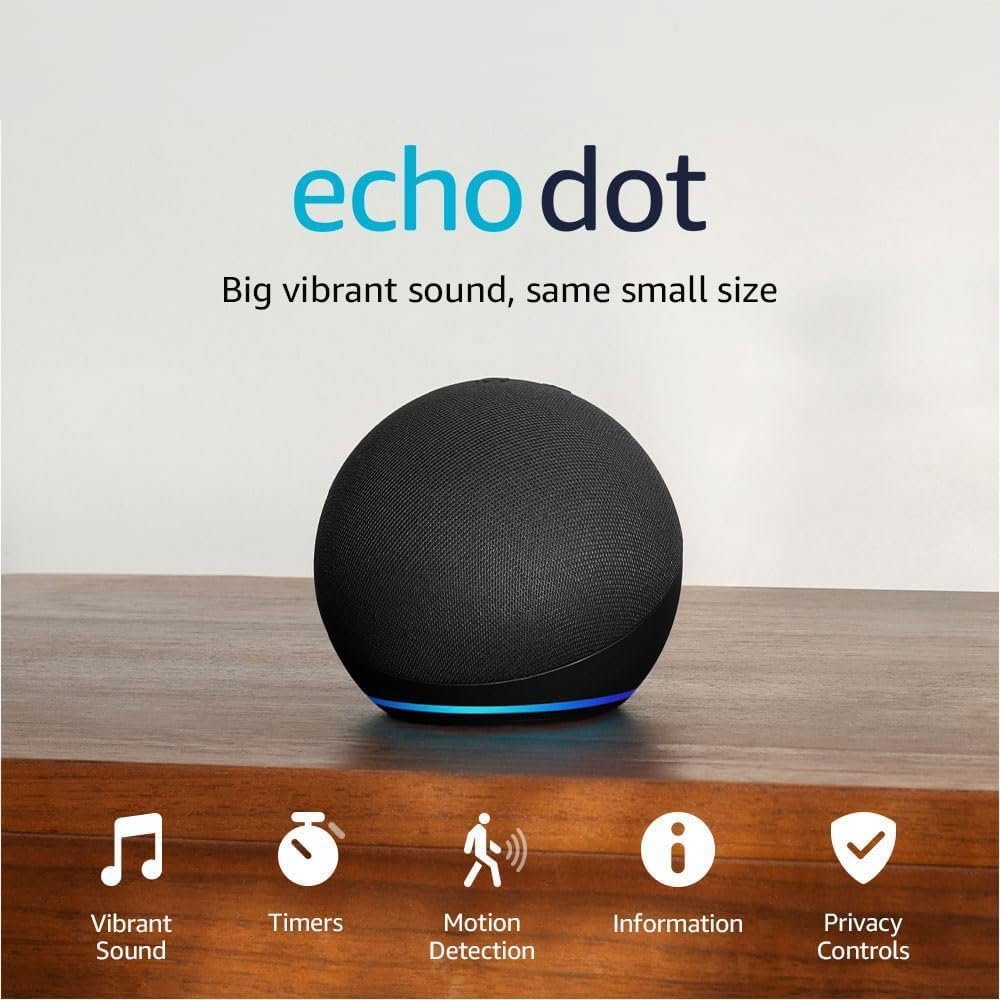
Amazon Echo Dot (Smart Speaker with Alexa)
A smart home works best when everything connects through one simple system. Devices like these act as the “brain” of your home — letting you control lights, routines, and daily tasks using voice instead of apps.
$82.45
The Move Towards Invisible Convenience
The most effective smart home setups are often the least noticeable.
Lighting that adjusts automatically in the evening.
Devices that switch off when not in use.
Routines that run in the background without constant input.
When everything works together, there’s no need to interact with it constantly. The home simply responds.
This idea of “invisible convenience” is what separates a practical smart home from an overly complicated one.
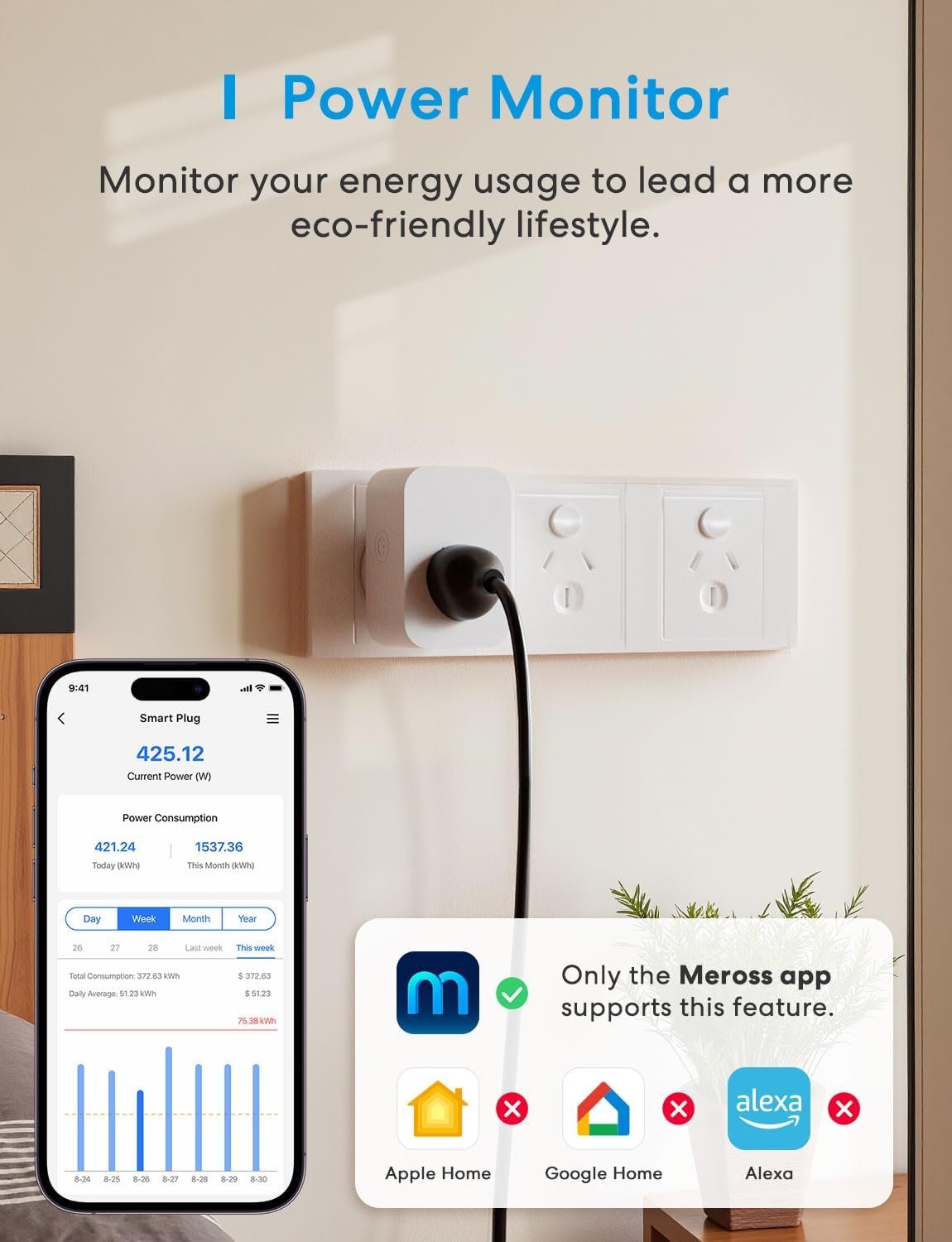
Meross Mini Smart Plug – 2 Set Pack
One of the simplest ways to remove effort. Turn lamps, coffee machines, or fans into smart devices without replacing them. Scheduling and automation instantly reduce daily friction.
$27.75
Why Simplicity Works Better
It’s easy to assume that more devices equal a smarter home. In practice, too much technology can create friction instead of removing it.
Multiple apps.
Too many notifications.
Systems that require constant adjustment.
A better approach is to start small and focus on what actually improves your daily life.
For most homes, that might include:
- lighting that adapts to your routine
- a thermostat that adjusts automatically
- simple automation for everyday tasks
These changes are subtle, but they create a noticeable difference in how a space feels.
Smart Switches (Automation Without Changing Habits)
Instead of relying only on apps, smart switches automate lighting while still working like normal switches — which keeps things simple and intuitive.
$55.99
Designing Around Your Routine
One of the most overlooked aspects of smart home design is personal routine.
A system that works well for one household may not suit another.
For example:
- Early risers may benefit from gradual lighting in the morning
- Families may prioritise shared spaces and safety features
- Remote workers might focus on comfort and energy efficiency
Instead of copying a “perfect setup”, it’s more effective to design around how you actually live.
That’s what makes the system feel natural rather than forced.
Energy Efficiency Without the Effort
Another advantage of smart home technology is how it improves energy efficiency without requiring constant attention.
Lights that turn off automatically.
Heating and cooling that adjust based on usage.
Devices that don’t draw unnecessary power.
These small changes not only reduce energy use but also lower household costs over time.
And because the system runs in the background, it doesn’t feel like an extra task.
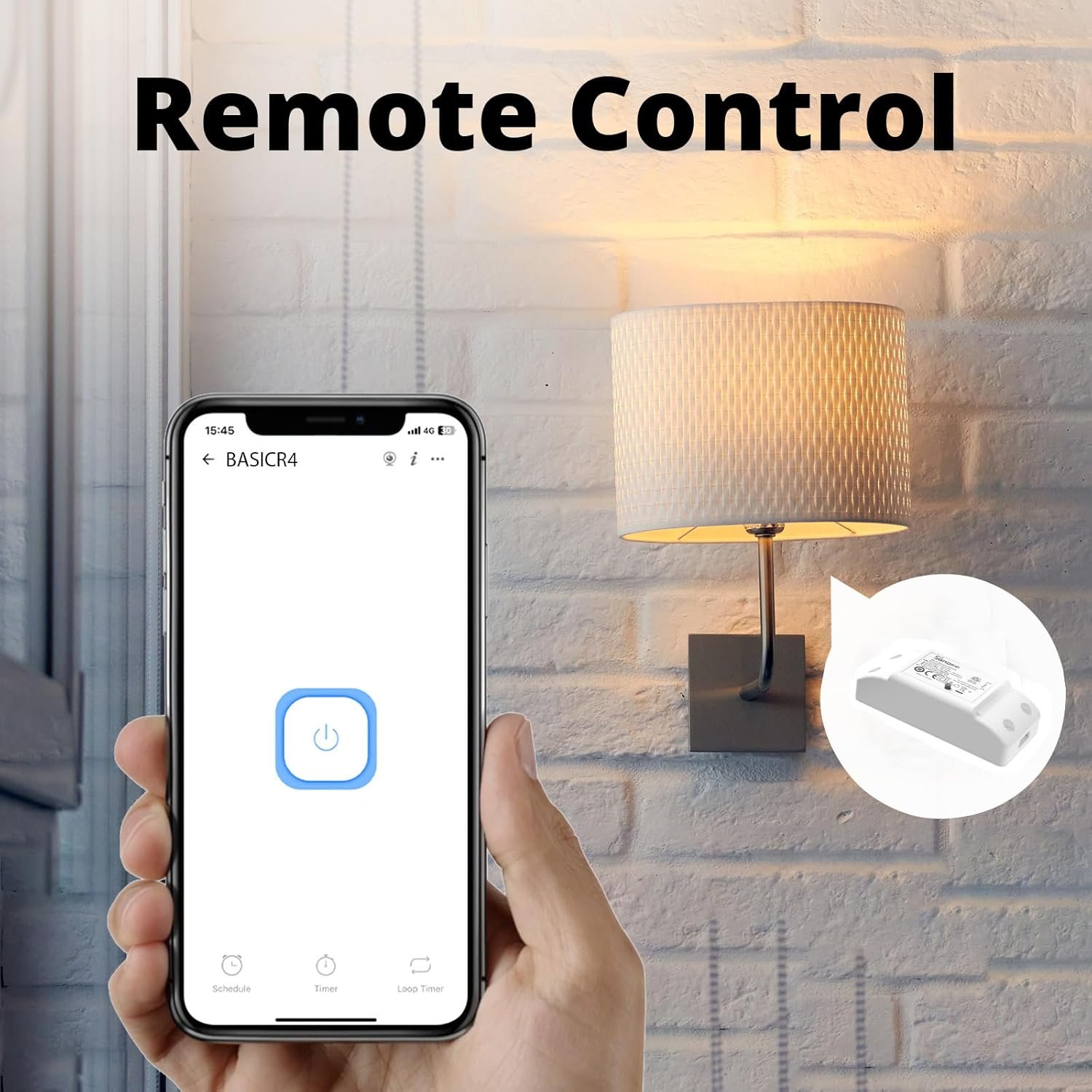
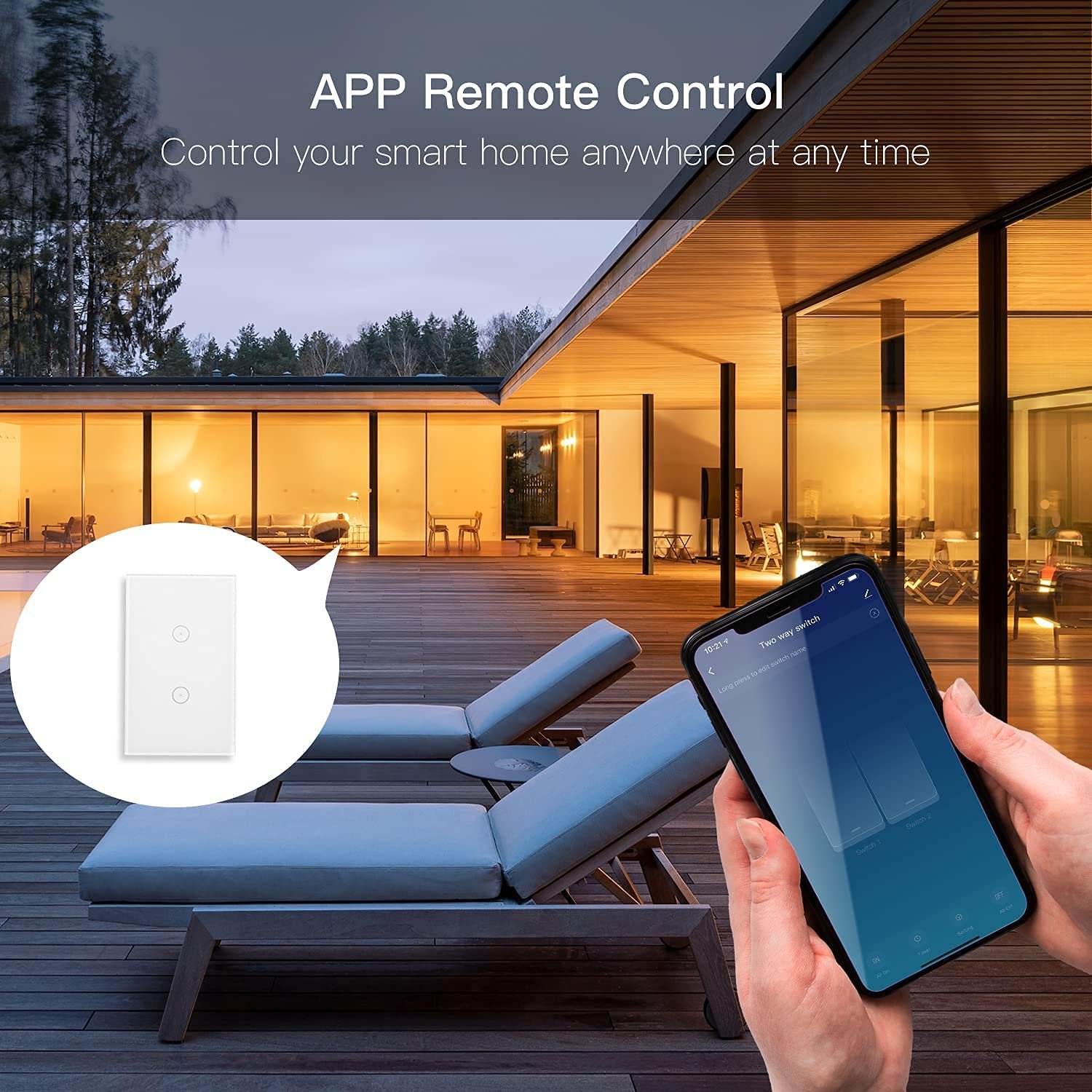
Smart WiFi Light Switch
Smart WiFi Light Switch BASICR4 is a smart switch which support APP remote control.
$18.82
Less Clutter, More Control
Interestingly, smart homes can also lead to less physical clutter.
Instead of multiple remotes, switches, and manual systems, everything becomes centralised and easier to manage.
But this doesn’t mean everything needs to be controlled from a phone.
In fact, the best systems balance:
- automation
- manual control
- simplicity
So you can interact when needed — but don’t have to.
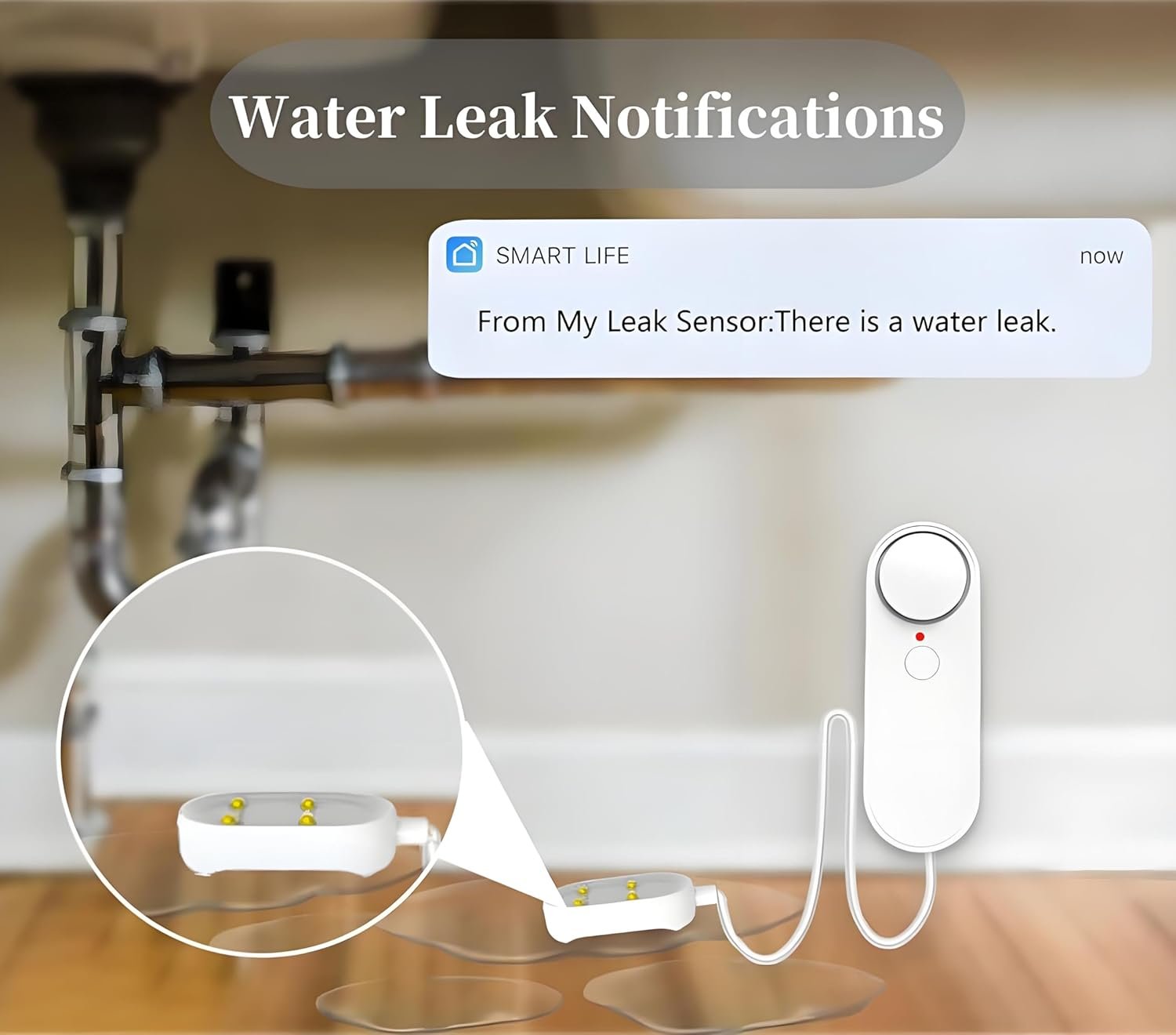
WiFi Water Leak Detector with App Alerts Adjustable
These are the kinds of devices you rarely think about — until they save you from a problem. They quietly monitor your home and alert you only when needed.
$27.99
A More Comfortable Way to Live
Ultimately, smart home technology is less about innovation and more about comfort.
A well-designed system supports your day without interrupting it.
It:
- saves time
- reduces small frustrations
- creates a more relaxed environment
And often, you only notice its impact when it’s not there.
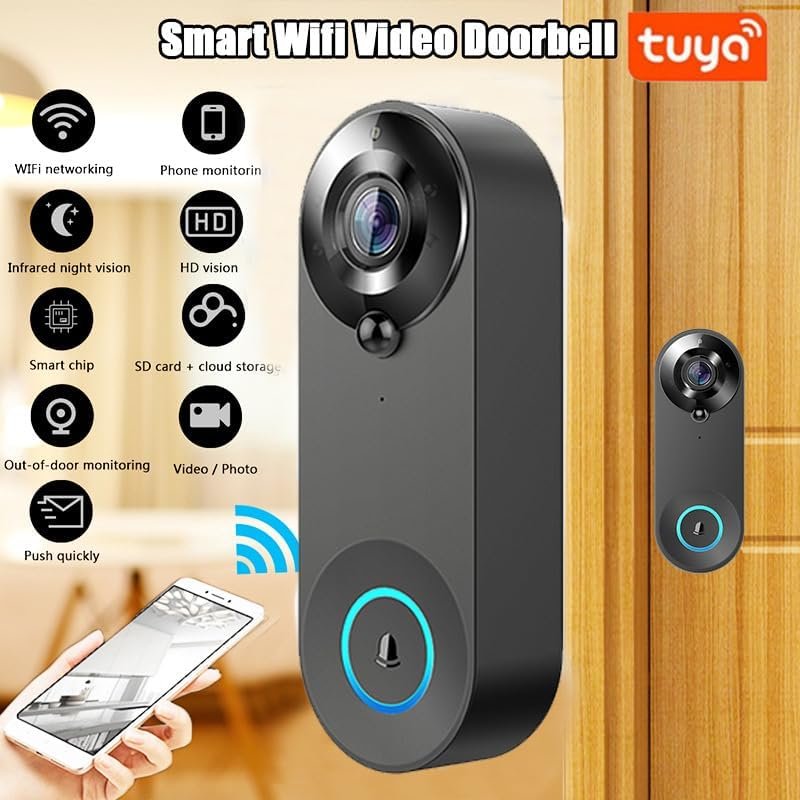
Smart Video Doorbell Camera
Being able to see and speak to visitors remotely removes a small but constant friction point — especially when you’re not home.
$66.99
Final Thoughts
The idea of a smart home has evolved.
It’s no longer about having the latest devices or the most advanced setup. It’s about creating a space that works with you, not against you.
When done well, a smart home doesn’t feel technical.
It feels intuitive.
And in a world where daily life is already busy, that kind of simplicity is what makes the biggest difference.
FAQs
Q1: What is a smart home?
A smart home uses connected devices and home automation systems to control lighting, appliances, security, and more, making everyday tasks easier and more efficient.
Q2: Do you need expensive devices to create a smart home?
No, a smart home can start with simple and affordable devices like smart plugs or lighting. The focus is on convenience rather than complexity.
Q3: What are the benefits of smart home technology?
Smart home technology helps save time, improve energy efficiency, enhance comfort, and reduce the need for manual tasks through automation.
Q4: Is smart home technology difficult to set up?
Most modern smart home devices are designed to be easy to install and use, often requiring only a mobile app and a Wi-Fi connection.
Q5: What are the best smart home devices for beginners?
Beginners can start with smart speakers, smart plugs, and smart lighting, as these offer simple ways to automate everyday routines.